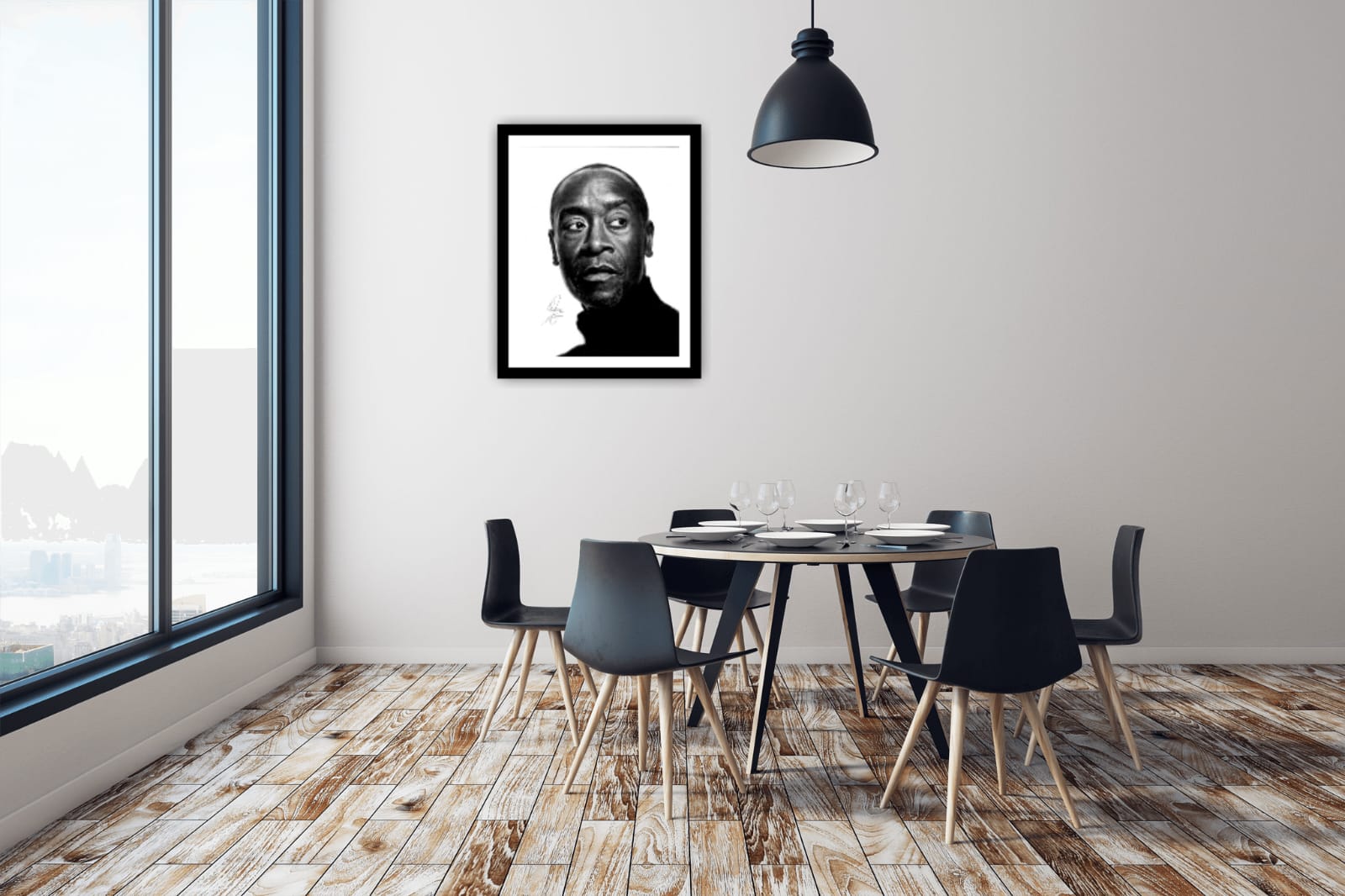
I’m a self-taught artist based in West London, with a lifelong passion for art that began at the age of three. From the moment I could hold a pencil, I was captivated by drawing and painting—capturing anything and everything around me. Animation fascinated me most, and like many imaginative children, I dreamed of one day working for Disney Studios.
Thankfully, I was nurtured in this passion. My mother, a talented artist and skilled dressmaker, often sat with me to share her creative insights. Her encouragement and guidance played a defining role in shaping my artistic journey.
As a child, I was fortunate to visit Disney World Florida several times with my father. Watching professional animators bring characters to life was truly magical. On one unforgettable occasion, I even joined a live drawing demonstration and received a certificate—a moment I still treasure today. That experience planted the seed for a lifelong love of art, though I did briefly stray during my teenage years, swapping brushes for a guitar and chasing the dream of rock stardom.
Eventually, my passion for art was reignited, this time with a deeper, more personal focus. I dedicated myself to refining my skills—studying portraiture, exploring landscapes, and developing my own technique, primarily working in oils.
Inspired by the work of master artists, I secured my first portrait commission. The emotional reaction of the client upon seeing their painting was a turning point for me. It was then I realised that my purpose wasn’t on stage with a band, but in the studio, creating pieces that bring joy to others.
Since then, I’ve had the privilege of painting wonderful individuals and their pets, creating celebrity portraits for charitable causes, and showcasing my work at live community events. Each project has added depth and meaning to my artistic path.
Whether it’s a commissioned portrait or a landscape, my goal is simple: to create art that brings lasting joy and connection to those who experience it.
Looking ahead, I’m excited to share more of my creative techniques through online lessons and tutorials. I hope you’ll join me on this ever-evolving journey in art.
Thank you for being a part of it.
— Paul

In Search Of Inspiration
HYPEREALISM
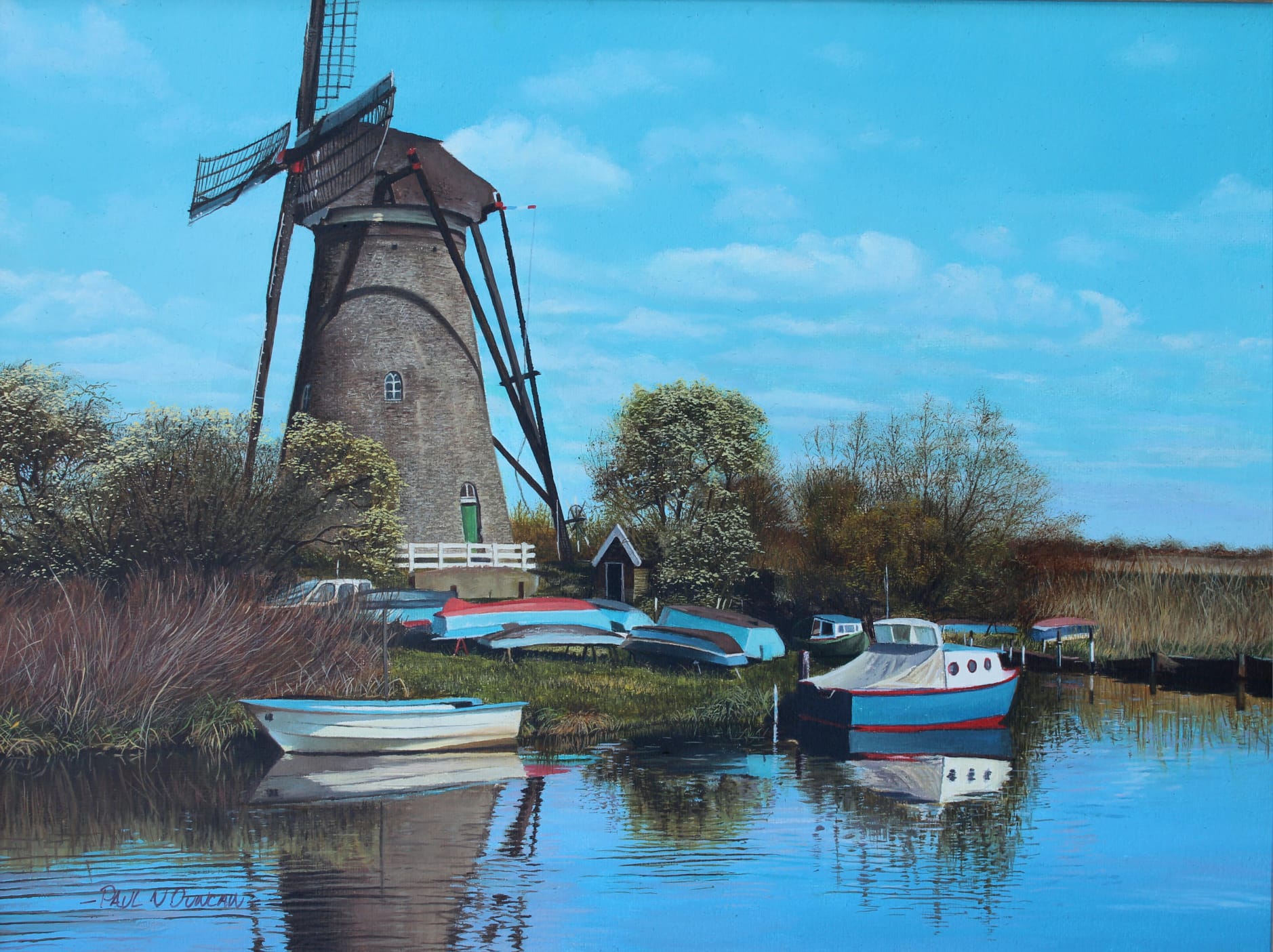
Walking With Time
Colour Light & Shade
I draw inspiration from the world around me and the work of other artists, always admiring their talent without envy. Instead of feeling discouraged, I treat their work as a learning tool—comparing styles, analyzing techniques, and challenging myself to see how they might have approached a photo I've taken. I’m drawn to the randomness of everyday scenes, capturing them not for their immediate beauty but for the rich references they provide. Leaves, for instance, are a favorite subject—each with its own form, shadow, and color. I study their movement, how light passes through them, and even take close-up shots to later create color sheets in the studio, helping me perfect the art of color matching in my paintings. My process extends beyond nature. I take photos of landscapes, shifting light across fields, forest canopies, rivers, and even fleeting human moments—how hair moves in the wind, how people walk, or how light hits a face just right. I find magic in the mundane: blades of grass, fallen twigs, ripples on water, or a lone footprint in the mud. These tiny details build a rich visual library that fuels my art. Each outing brings something new to discover, reminding me that inspiration is everywhere. To me, life itself is one vast, ever-changing painting.
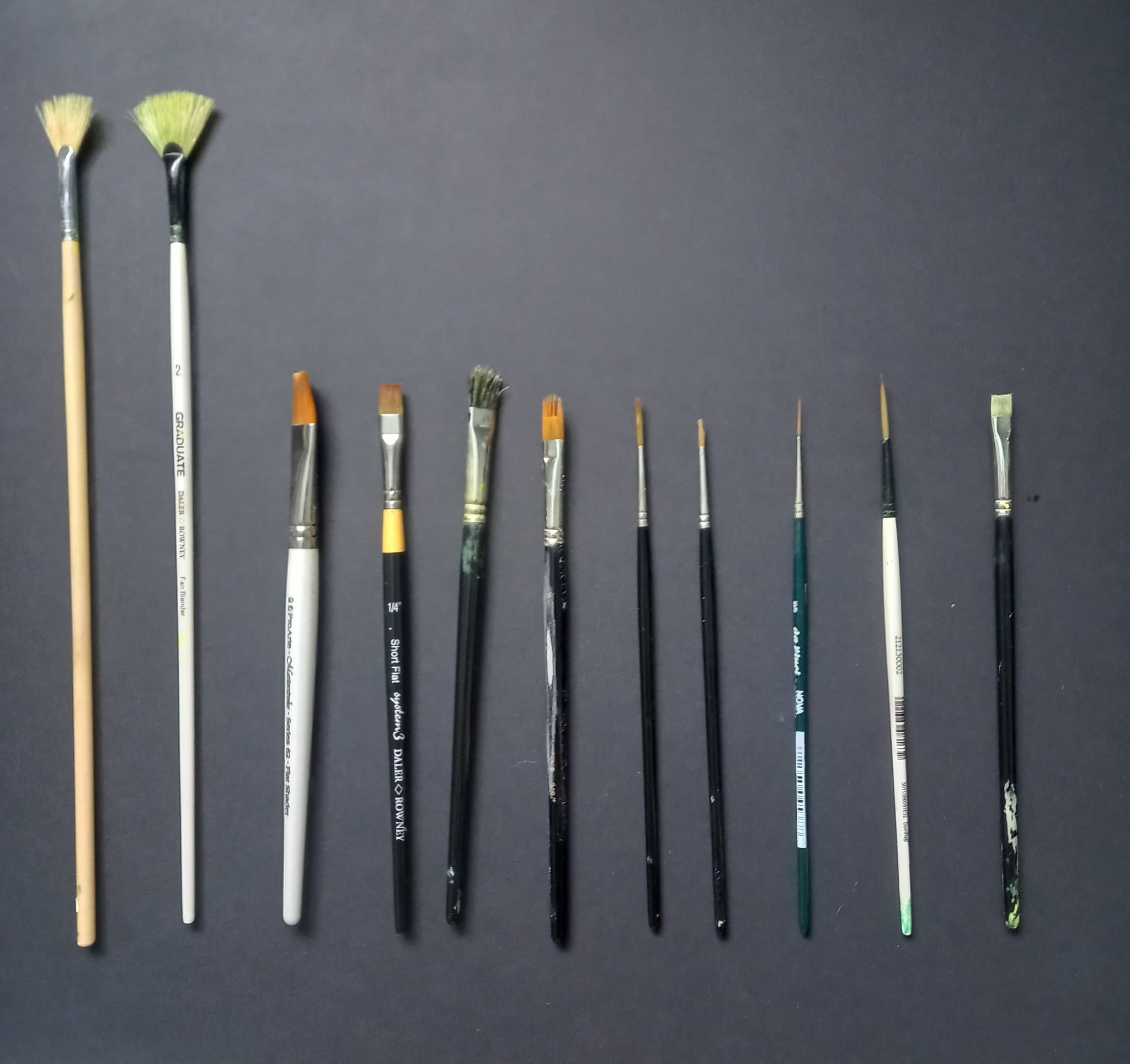
The Tools
The Process of Hyper Realistic Painting
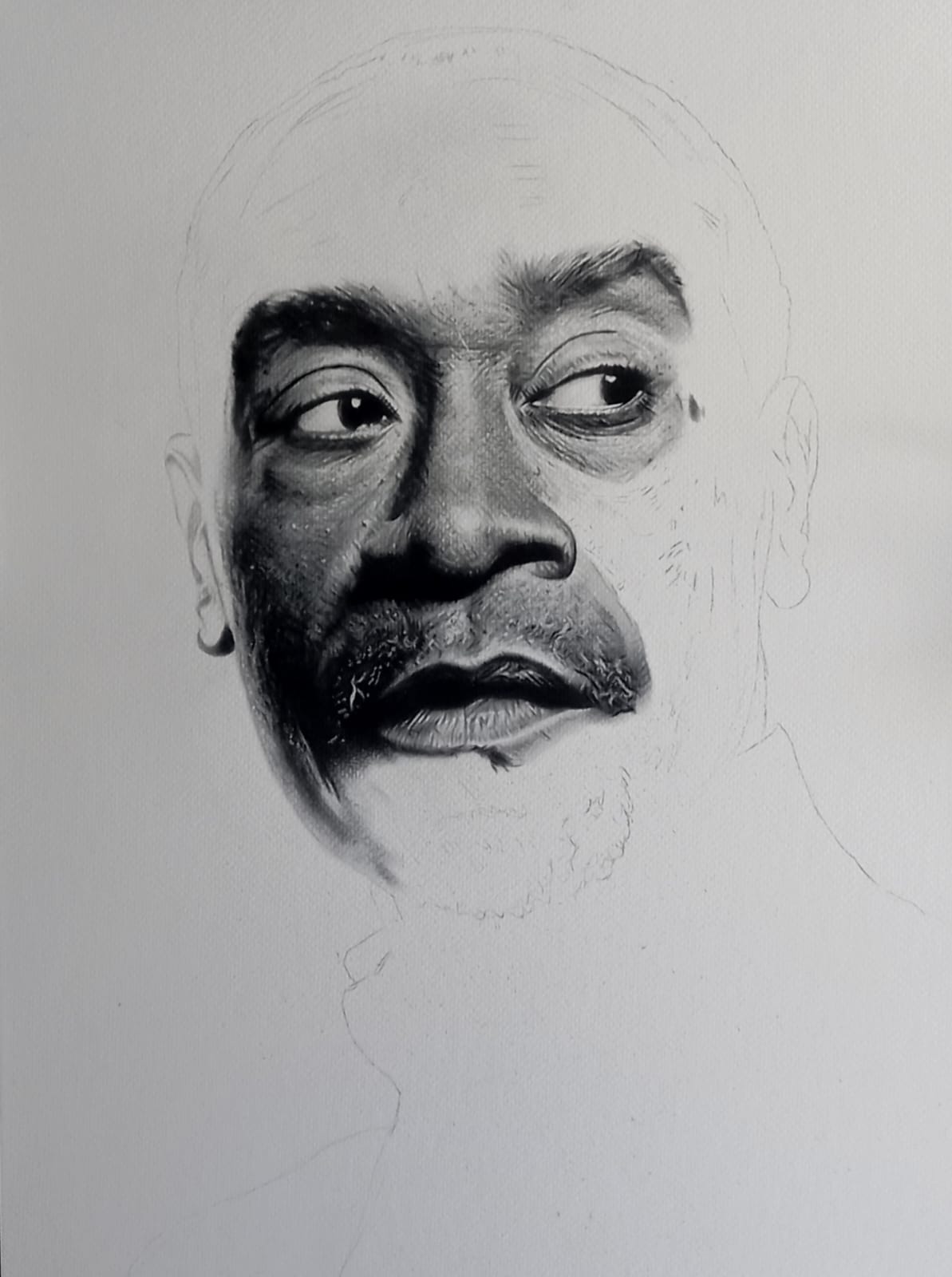
The Process: The Dry Brush Technique I primarily create portraits and landscapes using cold-pressed 300gsm paper—typically from Fabriano or Canson. Step 1: The Sketch Each piece begins with a light, carefully measured pencil sketch to ensure the proportions are accurate. For more detailed or larger portraits, I use traditional scaling techniques or a grid method. Step 2: Refining the Lines Once the basic sketch is in place, I begin the clean up process—removing rough marks and keeping only the lines I’ll build upon during painting. Step 3: The Dry Brush Technique This traditional and highly detailed style of oil painting requires only a small amount of oil paint, a selection of synthetic and hog hair brushes, and a kneaded eraser. How it works: A tiny amount of oil paint is placed onto the palette and flattened. I select the right brush for the texture I’m working on. The brush is lightly loaded with paint, then brushed off on a separate sheet of paper to ensure it’s almost dry—just enough to leave a soft, controlled mark. Painting is done in delicate layers, gradually building tone and depth. Patience is essential to achieve a natural, realistic finish.
Final Touches
Once enough texture is built, the final phase begins—what I like to call the “magic part.” Using a kneaded eraser, I lift paint to create:
-
Skin highlights
-
Hair strands
-
Reflections in the eyes
This subtle detailing brings the portrait to life.
Additional Enhancements
To push for even more hyperrealism, I occasionally incorporate:
-
Fine pencils and pens to add detailed skin textures
-
White paint for extra shine
-
An electric eraser to extract fine strands of hair or subtle highlights
How Long Does It Take?
A single headshot portrait typically takes around 3 days, though photorealistic or hyper-realistic commissions may take longer depending on complexity.
Setting