Let’s Talk About Brushes.
Brushes I Use: Finding the Perfect Fit
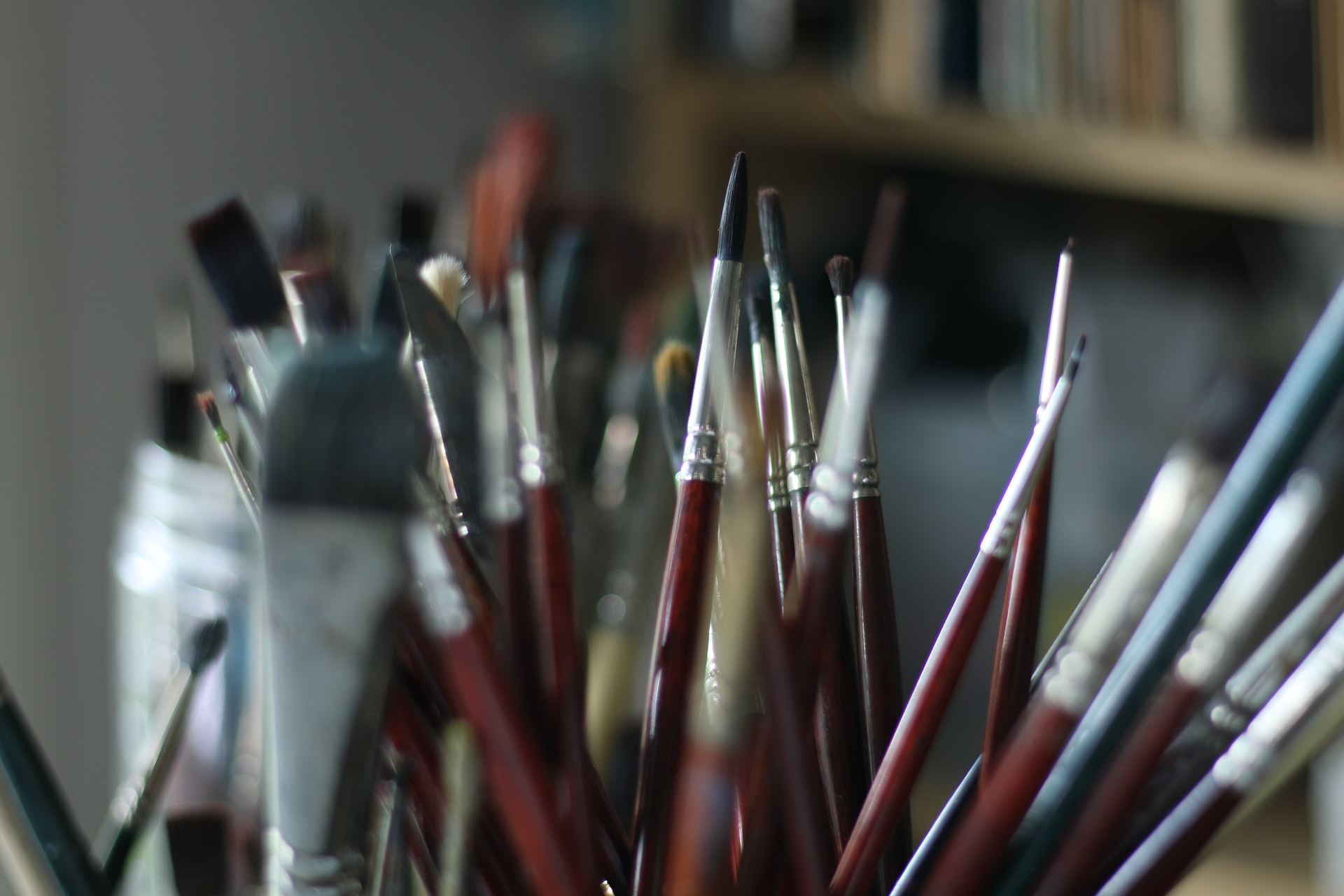
Every artist eventually finds those brushes that just feel right—tools that become almost an extension of the hand. I’ve experimented with countless makes, types, and styles over the years, from inexpensive starter sets to premium bristle brushes. Through trial and error, I’ve built a reliable collection that suits both my style and techniques.
Brushes for Landscape Painting
For landscape work, I keep two distinct sets of brushes—one for the underpainting in acrylics, and another for the final layers in oils.
Acrylic Brushes (Underpainting)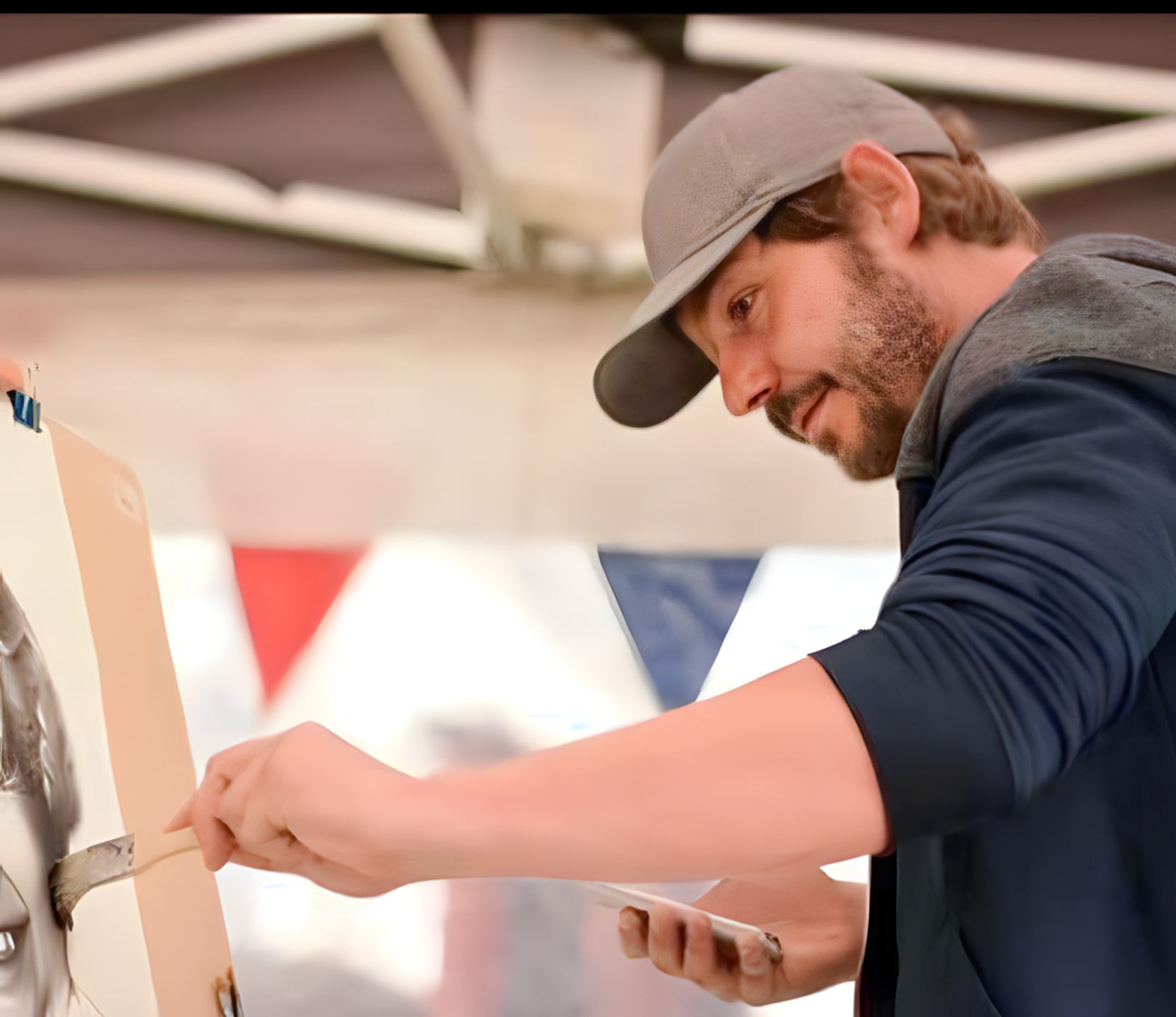
These are affordable, synthetic brushes, ideal for blocking in the initial forms and colours. Since this layer is typically 95% covered in the final painting, there’s no need to use expensive brushes here.
-
Brush types: Flat, filbert, and round heads
-
Sizes: From ¼ inch to 2 inches, depending on the scale of the work
Oil Brushes (Detail & Texture)
For the oil painting stages, I use a mix of natural and synthetic brushes to achieve a range of textures:
-
Hog and badger hair brushes: Great for creating texture, glazing, or impasto effects, especially in foliage and foreground detail.
-
Synthetic brushes: Ideal for soft blending in skies, water, and distant landscapes.
-
Rigger brushes: Ultra-fine brushes used for precision details—leaves, twigs, rocks, and subtle highlights on riverbeds or reflections.
Having a range of sizes allows me to switch between areas without constant cleaning. I also keep older brushes that might look worn but still offer unique, often unpredictable effects.
Brushes for Portrait Painting
Portrait work calls for finesse and control, so I use a carefully selected combination of synthetic and natural bristle brushes, each chosen for the specific effect it delivers.
-
Small filberts: Perfect for delicate details like eyelashes or the subtle curve of a lip.
-
Hog hair brushes (1–2 inch): Used for broader strokes—ideal for painting hair, clothing, or background textures.
-
Soft synthetics: Help achieve seamless blending on skin tones, shadows, and gradients.
Each brush serves a purpose in building depth and realism in the portrait. Over time, I’ve come to rely on a handful of favourites that consistently give me the results I need.